

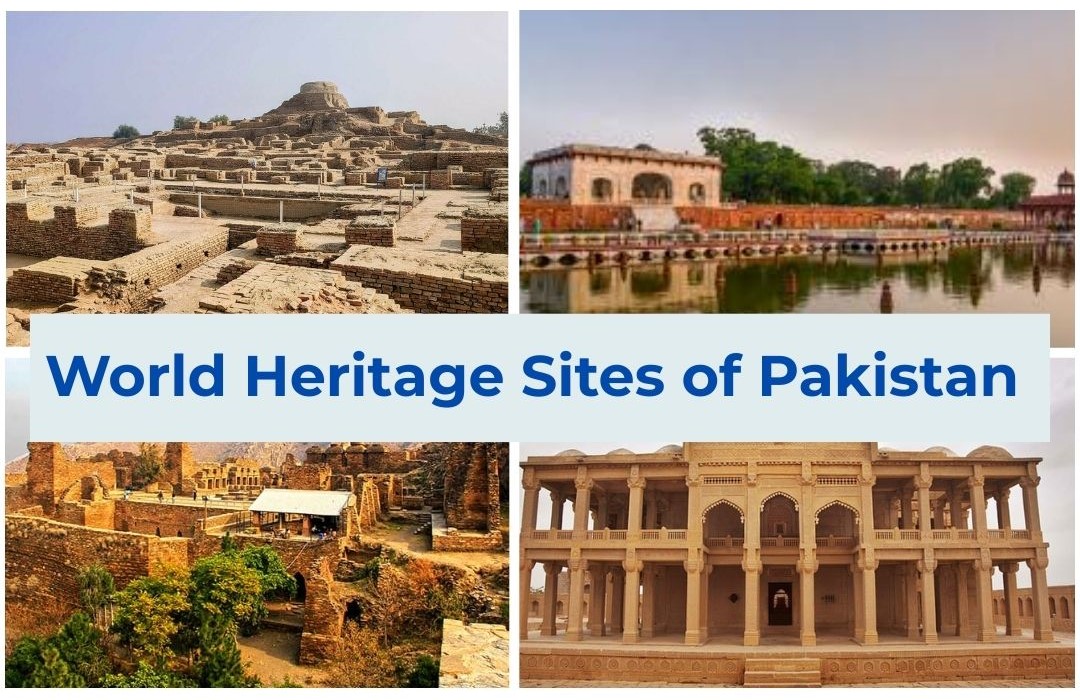
Pakistanis can proudly claim that six areas within the country are listed as UNESCO World Heritage sites. These sites are a piece of history providing a doorway into the past. These six sites include the archaeological ruins at Mohenjo-Daro, the Buddhist Ruins of Takht-i-Bahi, the Lahore Fort, Shalimar Gardens, Taxila, Rohtas Fort, and the Historical Monuments at Makli, Thatta.
The Ruins of Mohenjo Daro
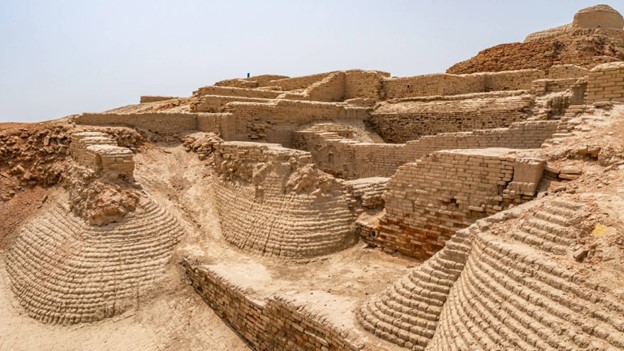
The city ruins at Mohenjo-Daro span across 240 ha and were first discovered in 1922. Built in the 3rd millennium BC, this city is located on the banks of the river Indus, only a few hundred kilometers away from Karachi, Sindh. The Indus civilization is considered one of the three great ancient civilizations in the world. Built out of a mixture of baked and unbaked bricks, this city was a place where complex economic, social, and cultural life flourished. With only one-third of the entire city being excavated, there is much left to uncover.
Buddhist Ruins at Takht-i-Bahi
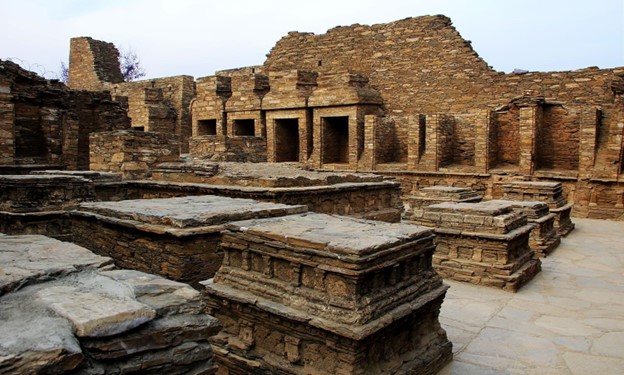
In the province of Khyber Pakhtunkhwa, Takht-i-Bahi was a Buddhist site that sat on multiple hilltops. This Buddhist site was active until the 7th century AD and is the most complete monastery in Pakistan. Due to its high position, Takht-i-Bahi has remained well preserved and relatively unchanged by any invasions that took place. As a result, the entire layout alongside buildings is visible, and nothing has been changed, thus proving its authenticity.
The Lahore Fort and the Shalimar Gardens
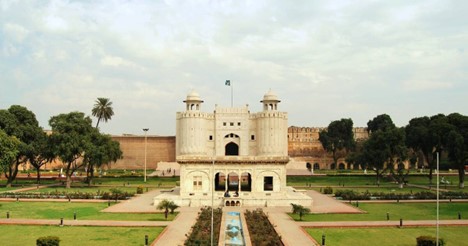
Located in the city of Lahore, the Shalimar Gardens and the Lahore Fort are a spectacular duo that everyone must visit at least once. Situated in the north-west corner of the city, the Lahore fort is a lasting piece of Mughal architectural history. The fort was destroyed and rebuilt by multiple Mughal emperors, and is a mix of classic Islamic architecture with a hint of Persian influence. The Lahore fort was initially built by Akbar during his reign, while the Shalimar garden was built by Shah Jahan. With a fairy-tale mix of buildings and a sixteen-hectare garden, this heritage site is one to behold.
The Ancient City of Taxila
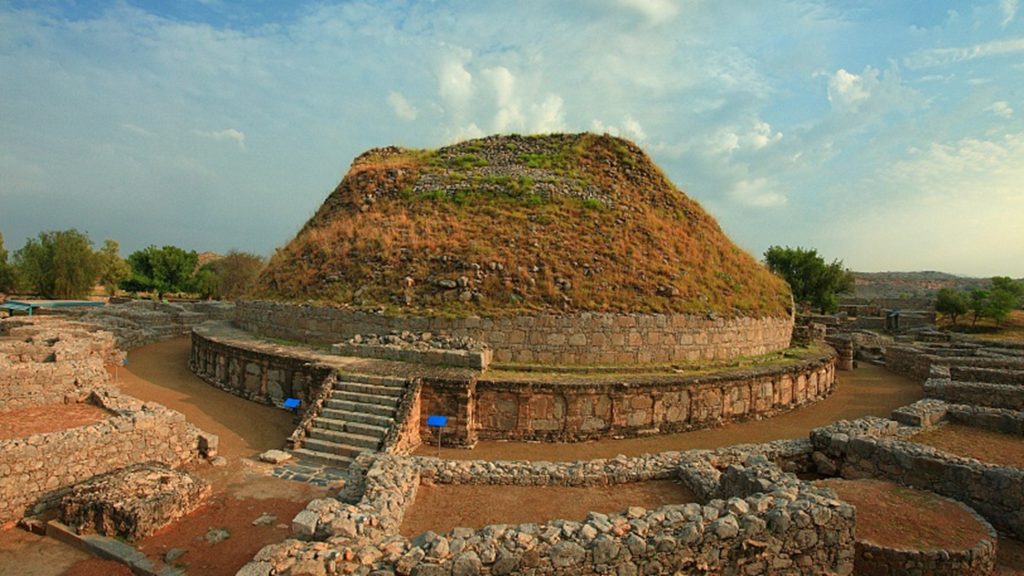
Located in the Rawalpindi district, Taxila is a huge site that includes caves, Buddhist monasteries, a Muslim Mosque, and a madrassa. Located on the Silk Road that connected China to the West, Taxila reached its culmination between the 1st and 5th centuries. Considered one of the most important archeological sites in Asia, this was the entry point for Alexander into the region. Although the industrial sector in Taxila is ever-growing, UNESCO does its best to keep the site authentic and safe.
The Rohtas Fort
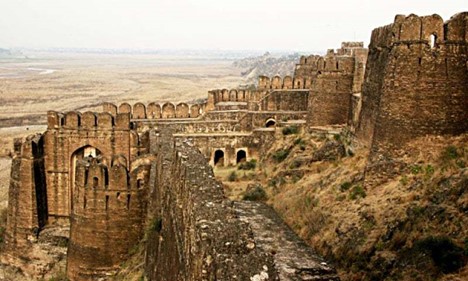
Built in the sixteenth century as an area for strategy by Sher Shah Suri, this fort is a remarkable demonstration of early-age Muslim military architecture. This lavish fort contains a citadel, an internal water supply, a mosque, and a haveli, portraying a mixture of Turkish and Indian art and design. For instance, the walls are inscribed with calligraphy, and handmade glazed tiles cover parts of the fort. The Rohtas Fort has been restored using similar materials to maintain as much of its originality as possible.
Historical Monuments at Makli, Thatta
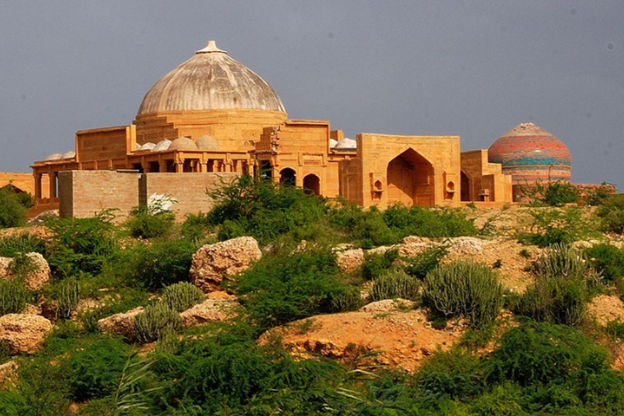
The vast necropolis of Makli hosts various kings, queens, scholars, philosophers, governors, and saints. Brick and stone structures are all built in different architectural styles, yet are still infused with some local designs. Designs such as the Mughal, Persian, Indian, and distant Asian styles all blend into the local structures, holding these high people of the past. However, the structures are in far stages of decay and destruction and will eventually crumble and fade away with time unless preventive measures are scientific action is taken.
These six main World Heritage Sites are a part of Pakistan’s rich history and hopefully will stay around for our future generations to see and learn from. How many of these sites have you visited?


