

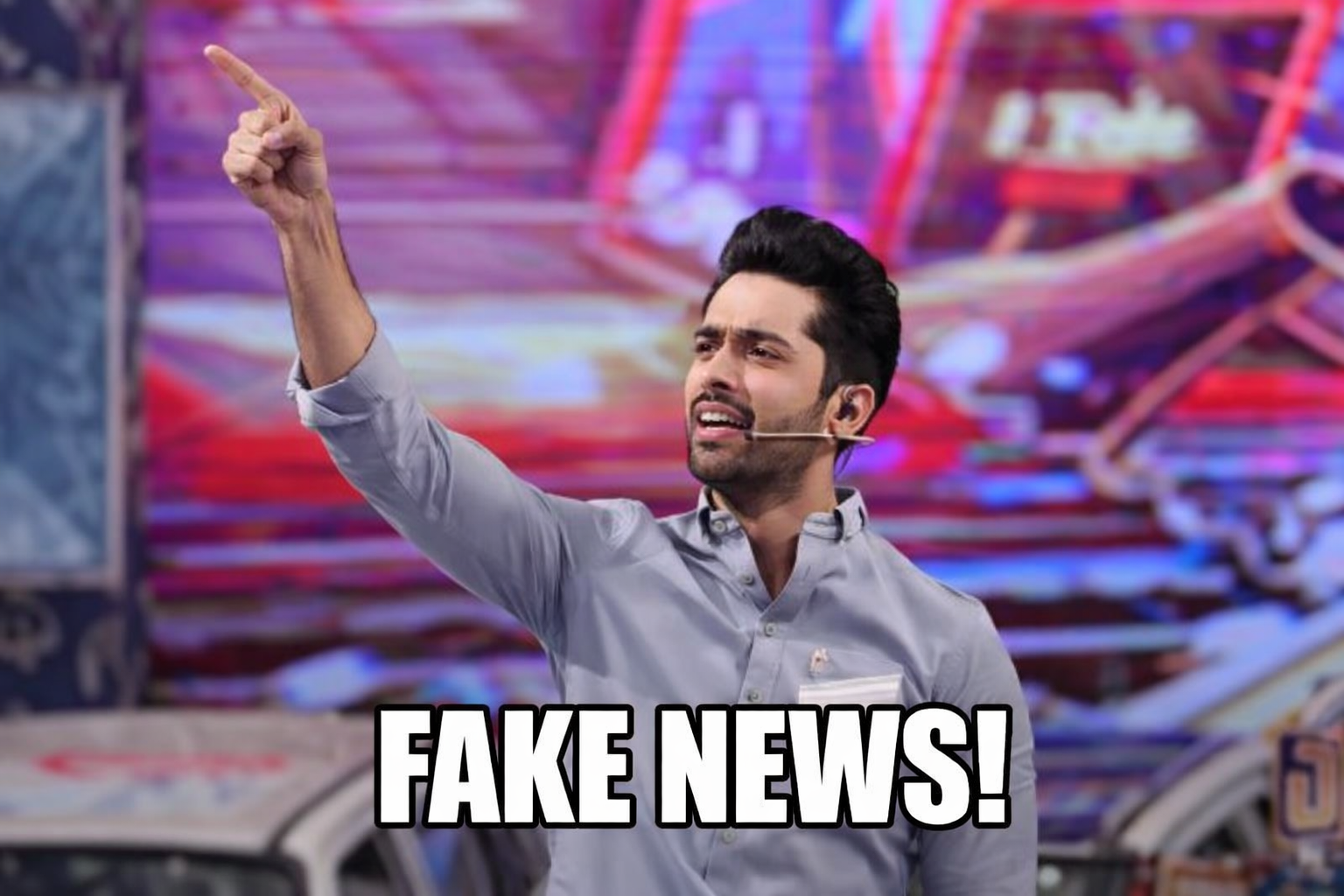
You’re scrolling through Instagram between classes. A WhatsApp forward claims “New government policy cancels all exams due to the ongoing political situation.” Twitter (sorry—X) is on fire. Your group chat explodes. Panic sets in.
Pause.
Before you hit share, ask yourself one question: Is this real—or is it fake news?

Here’s a practical, no-nonsense guide to help you spot fake news like a pro!
1. Don’t Just Read the Post. Investigate the Source!
Who’s Talking, and Why?
Before trusting a story, ask yourself:
- Is this a recognized news outlet?
- Does the website have an “About Us” page?
- Can you find contact details?
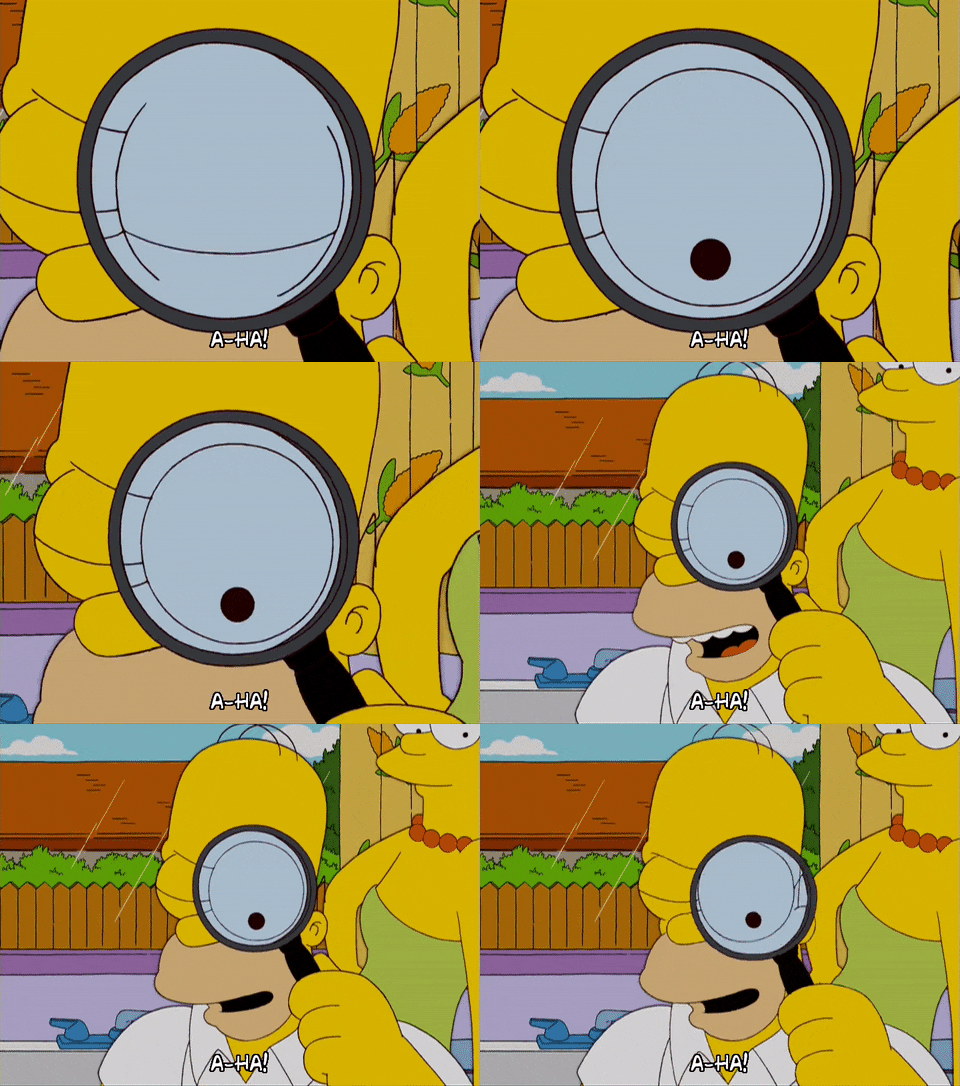
Red flag: Websites with strange URLs, excessive ads, or dramatic names like “TruthRevealedNow.pk.”
Watch Nimra Gilani explain how not everything you come across online is true!
2. Headlines Are Bait. Don’t Bite Too Fast.
Read Beyond the Shock Value
Fake news thrives on emotional headlines:
“You WON’T BELIEVE what just happened…”
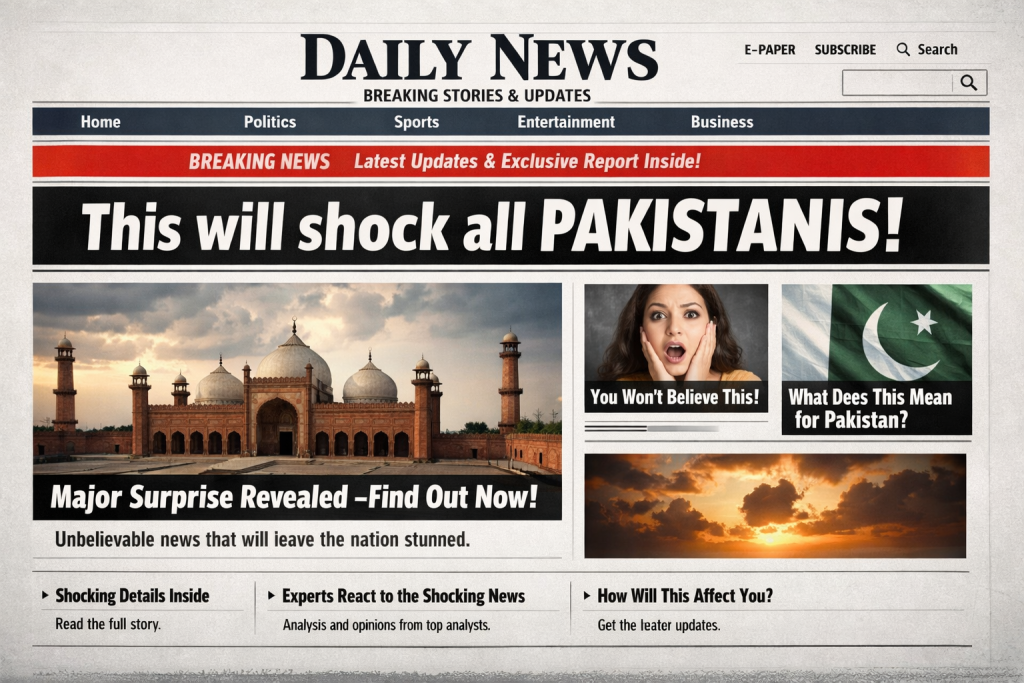
Headlines are designed to get clicks, not convey truth. Always read the full article.
3. Who Wrote This? Check the Author
Anonymous ≠ Credible
A legitimate article usually has:
- A real author name.
- A short bio or byline of the author.
- Other published work by the writer.
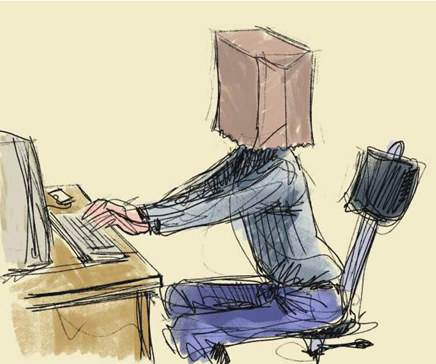
If there’s no author or just “Admin,” be skeptical.
4. Evidence Matters. Where Are the Sources?
“According to experts” is Not Enough.
Credible news links to original sources:
- Research studies.
- Official statements.
- Government notifications.
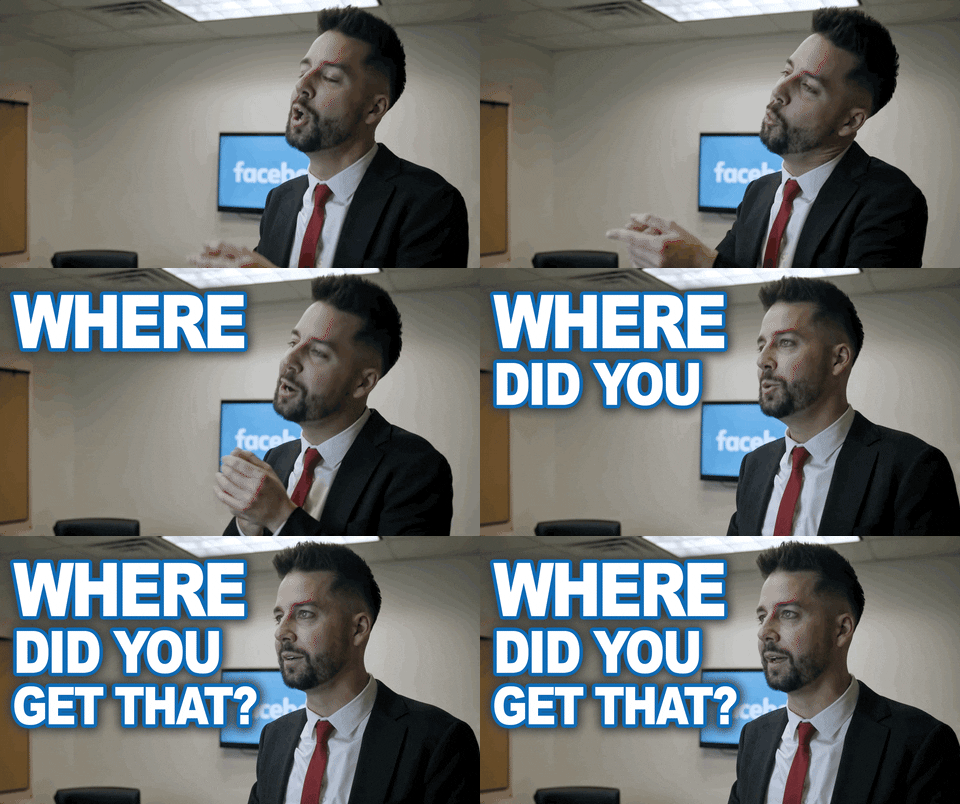
Click the links. Do they actually support the claim or lead nowhere?
Also Read: Yasir Shami Of Daily Pakistan Takes Fake News To A Whole New Level Amid COVID-19
5. Check the Date. Old News, New Panic.
Throwback ≠ Breaking News

Ask:
- When was this published?
- Is it still relevant?
6. Is this news or just a joke?
Satire Can Fool Even Smart People
Some websites publish satire, not news—but don’t make that clear. Does the term rage-bait sound familiar?

If the story sounds too ridiculous to be true, it probably is.
7. Check your own biases
We Believe What We Want to Believe (Confirmation bias)
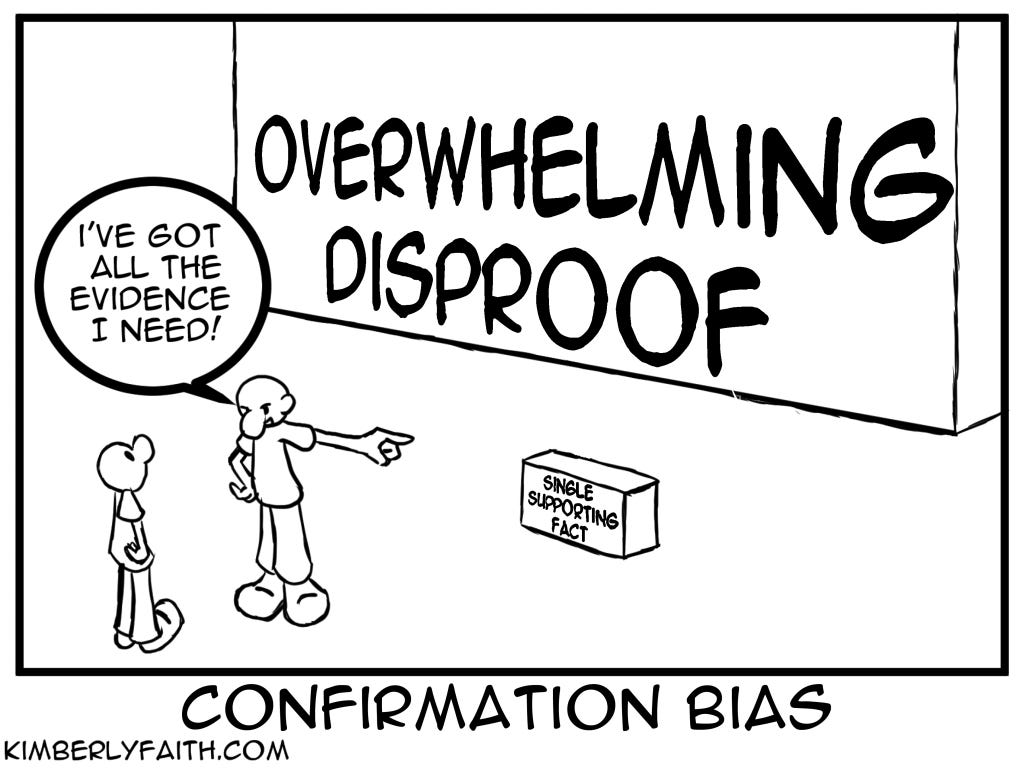
Pause and ask, “Would I still believe this if it supported the opposite view?”
8. When in Doubt, Ask the Experts
Fact-Checking Is Cool (and Smart)
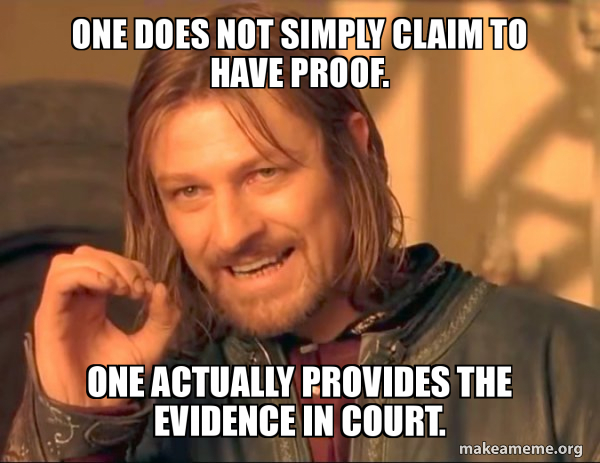
Use reliable fact-checking sources:
- Reputable news outlets such as Dawn News, and Reuters.
- Official government pages.
- Independent fact-checking websites.
Follow this guide to avoid falling into the trap of fake news!


