

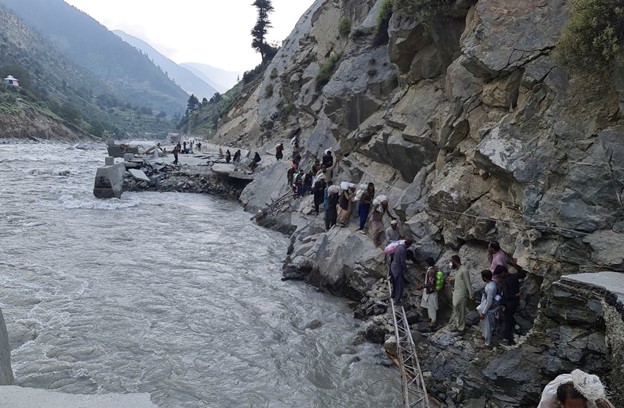
The northern areas of Pakistan are no strangers to rain or floods, especially during the monsoon season. The months of June to September are characterized by heavy rainfall and are among the most hazardous times for traveling up north. Unfortunately, this is also the time when thousands of Pakistanis flock to the mountains for reprieve from the hot summer months. Flash flooding and landslides have caused more losses than profits for the tourist industry in northern Pakistan in recent months.
Climate Change and Tourism
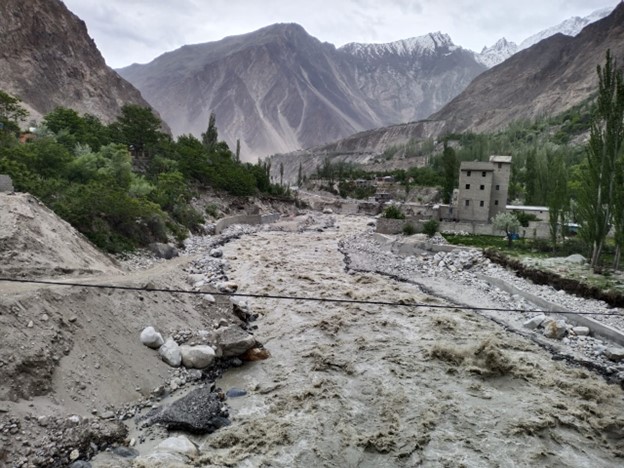
In recent years, climate change and global warming have taken a toll on the country. Areas that were considered tourist hubs and were seen as an opportunity to earn a living for a lot of locals are now at the risk of being washed away, while a few unlucky ones already have. Places like Swat, Chilas, and Diamer in Gilgit Baltistan are facing the consequences, with hundreds of innocent civilians being swept away by either rain, floods, or landslides. However, tourism is still going on in these areas. Why?
This is because Pakistan is heavily reliant on tourism for its foreign exchange and GDP. Additionally, large hotel enterprises benefit significantly from tourism, while local businesses are well promoted.
Is there a Solution?
There is no ONE clear solution for this complex, interconnected issue, but there are a few precautionary steps the hotels, staff, and visitors can take. After all, something, no matter how little, must be done.
The occurrence of tragedies and disasters rises exponentially due to a lack of adherence to safety protocols and warnings. Hotels should have emergency protocols and shelters in case an emergency, like a flood, so that all visitors and staff make it out safely and there is a minimum loss of life. Additionally, constructing hotels with stronger, more sustainable materials will ensure that buildings are more resilient against floods and landslides. Moreover, all hotel staff should receive proper training on how to deal with emergencies as well as first-aid training.
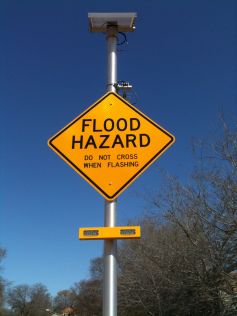
The district administration should also play its role in helping to avoid emergency issues. Fining illegal construction of hotels and buildings, especially on the riverbed, will minimise the loss of life and property in natural disasters. Early warning systems need to be established, and advanced warnings in mosques, on social media, and on the radio need to be issued for timely evacuation. Also, visible warning signs need to be placed near hazardous areas in both English and local languages.
Advise for Travelers
The biggest solution for visitors is that they should just generally avoid travelling to such places during the monsoon. The overcrowding of people causes a huge burden on the already unreliable roads of the northern areas. This means that in case of a landslide, people are essentially trapped.
If you’ve already made your plans and booked your hotels, it would be best to refund them or even shift them to a later date. If any of these aren’t possible and you’re going up north is inevitable, here are a few tips on how to stay safe:
- Stay away from extremely crowded areas, especially if they’re in a cramped space. Chances are, if a landslide or a flood takes place, there’s little hope of survival.
- Secondly, you should always have a backup plan in mind just in case things go south. Keeping some quick exits and plans in mind is always going to prove helpful in the case of an emergency.
- Lastly, carrying an emergency survival kit is essential. If you get stranded somewhere or get hurt, keeping a bag with a first aid kit, food, water, and other essentials like a knife or flare will increase your chance of survival.
Making a trip up north is a great idea and lot of fun! But you have to prioritize your safety. Perhaps, keep your plans for a trip up north sometime later in the year and enjoy!


