

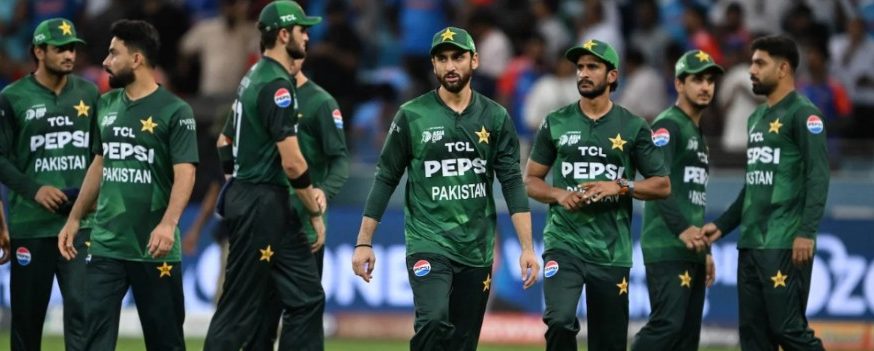
As Pakistan prepares for the upcoming #T20WC26, the team enters the tournament year with clear improvements but also some notable weaknesses that could determine their success. While fielding has become sharper, power-hitting shows promise, and the squad looks well-balanced, concerns remain around consistency, execution under pressure, and Salman Ali Agha’s captaincy. Addressing these issues will be crucial if Pakistan hopes to compete with the top sides on the global stage.
Read: A Look At Pakistan’s Possible T20 World Cup Squad
Fielding: Improvement Seen, Consistency Needed During The #T20WC26
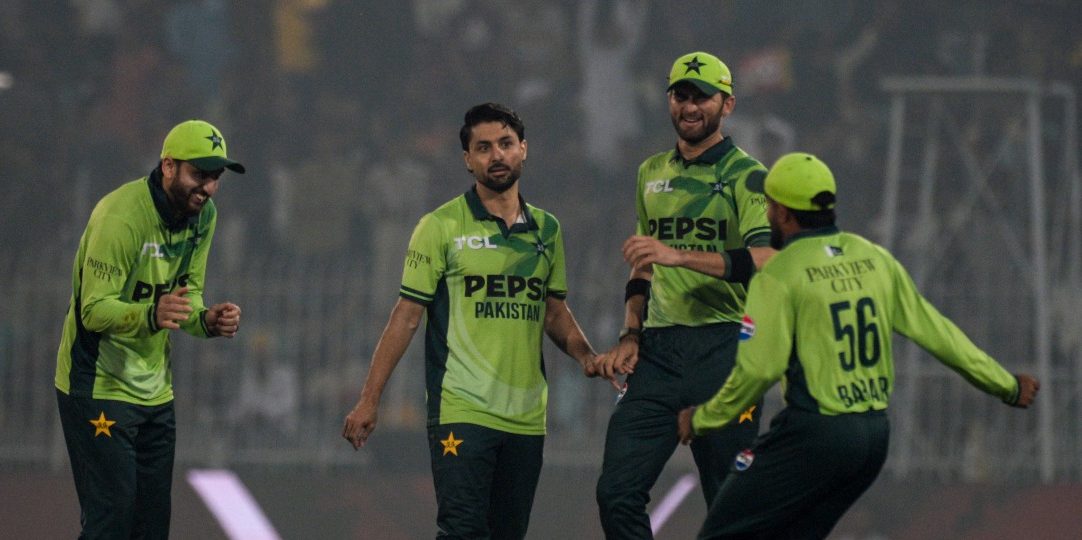
In recent months, Pakistan has made visible strides in the fielding department. Sharp throws, better catching standards, and improved ground coverage have helped reduce the leakage of easy runs—an area that has long haunted Pakistan in major tournaments. However, with the intensity of World Cup cricket, maintaining this standard is essential. One bad day in the field—dropped catches, misfields, or poor communication—can undo an entire match. Pakistan must ensure that the progress seen in the build-up is not lost under pressure.
Read: Why Pakistan Needs a Fit and In-Form Shadab Khan
Power-Hitting: Improved, But Real Test Ahead
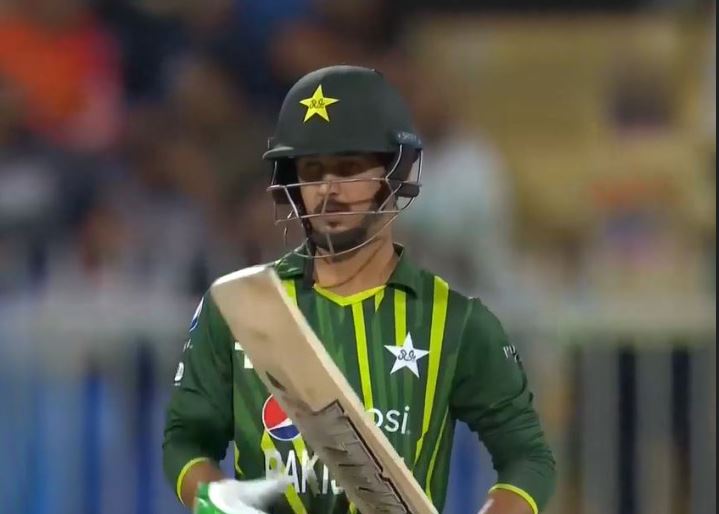
Pakistan’s power-hitting has shown encouraging signs, especially with the emergence of hitters like Usman Khan, Saim Ayub, and Fakhar Zaman rediscovering form. The middle order has also demonstrated greater intent, something that was missing in previous campaigns.
Yet, the real examination will come against top bowling attacks from teams like India, New Zealand, Australia, and England. Pakistan often struggles to sustain high run rates when facing world-class pace and spin. Translating domestic improvements to the global stage remains a pressing challenge.
Read: What Pakistan Must Watch In The Rest Of The Tri-Series
Captaincy: Salman Ali Agha’s Tactical Learning Curve
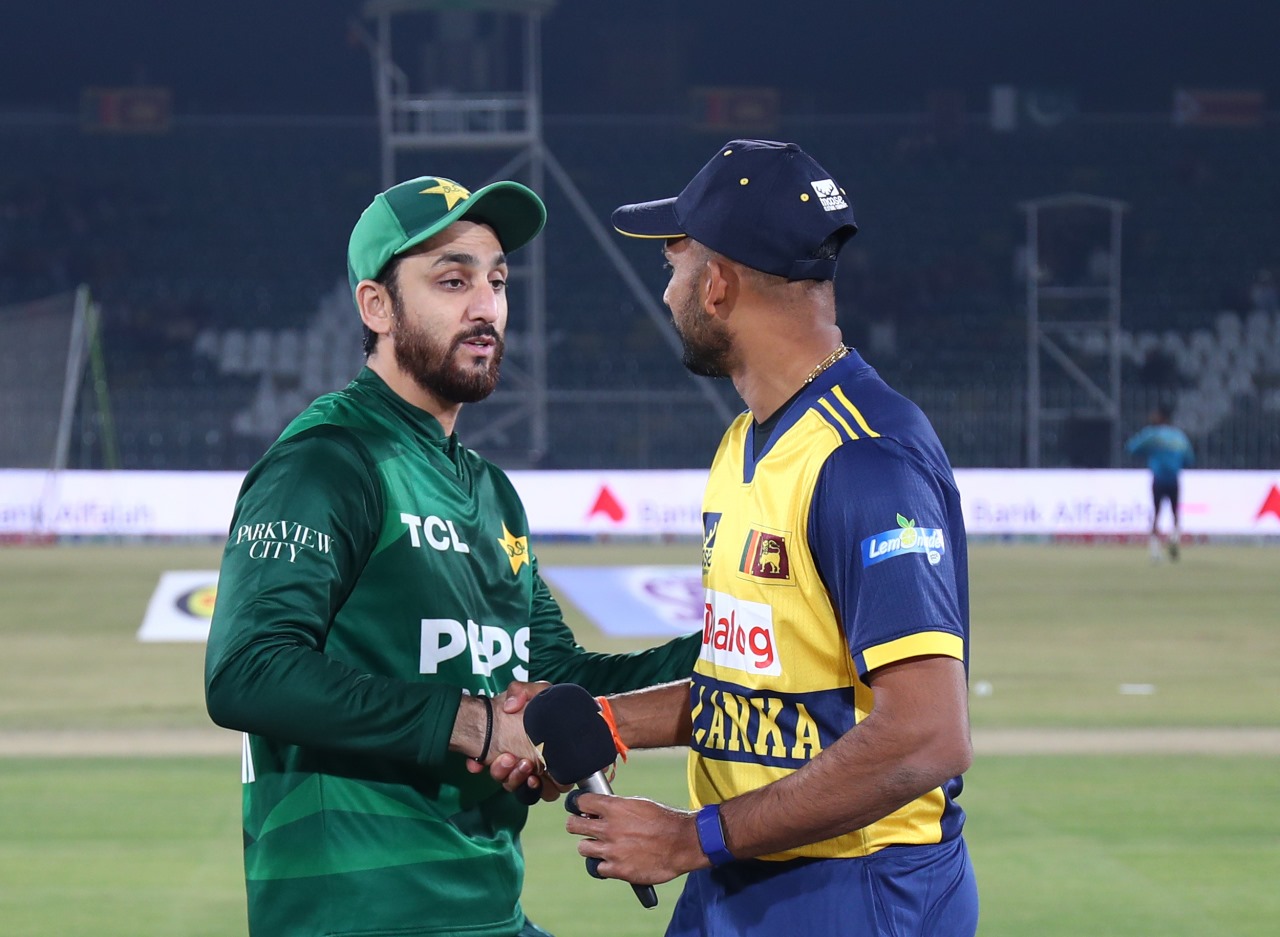
Salman Ali Agha’s captaincy is still a work in progress. His decision-making around pitch assessment, bowling changes, and match awareness has occasionally appeared reactive rather than proactive. To succeed in a World Cup, he must adapt quickly, read conditions better, and handle pressure with greater authority.


