

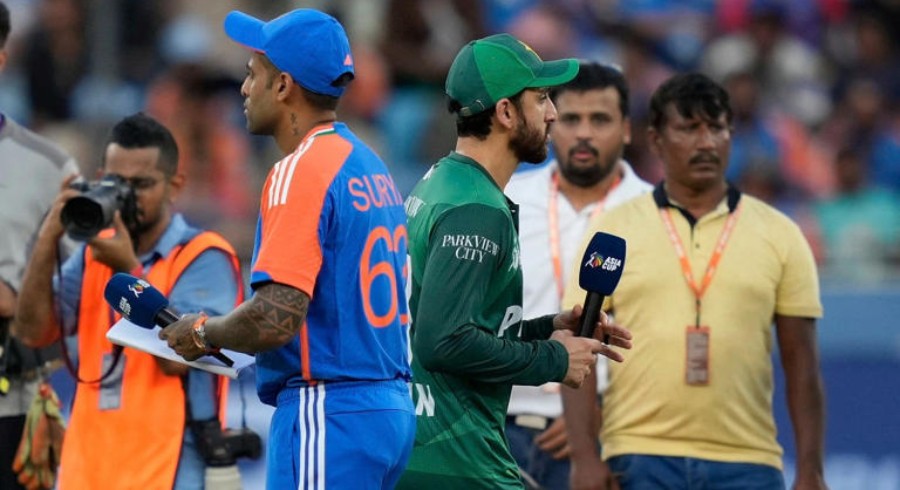
The Asia Cup 2025 Group A clash between India and Pakistan in Dubai was overshadowed by a “no-handshake” controversy. Following India’s seven-wicket victory, their players did not exchange handshakes with the Pakistani side. In response, Pakistan’s skipper Salman Ali Agha opted out of the presentation ceremony, while coach Mike Hesson voiced his displeasure.
Read: Funny Reasons Why Pakistan Might Still Beat India in #AsiaCup25
“No Handshake” Controversy Deepens Negativity
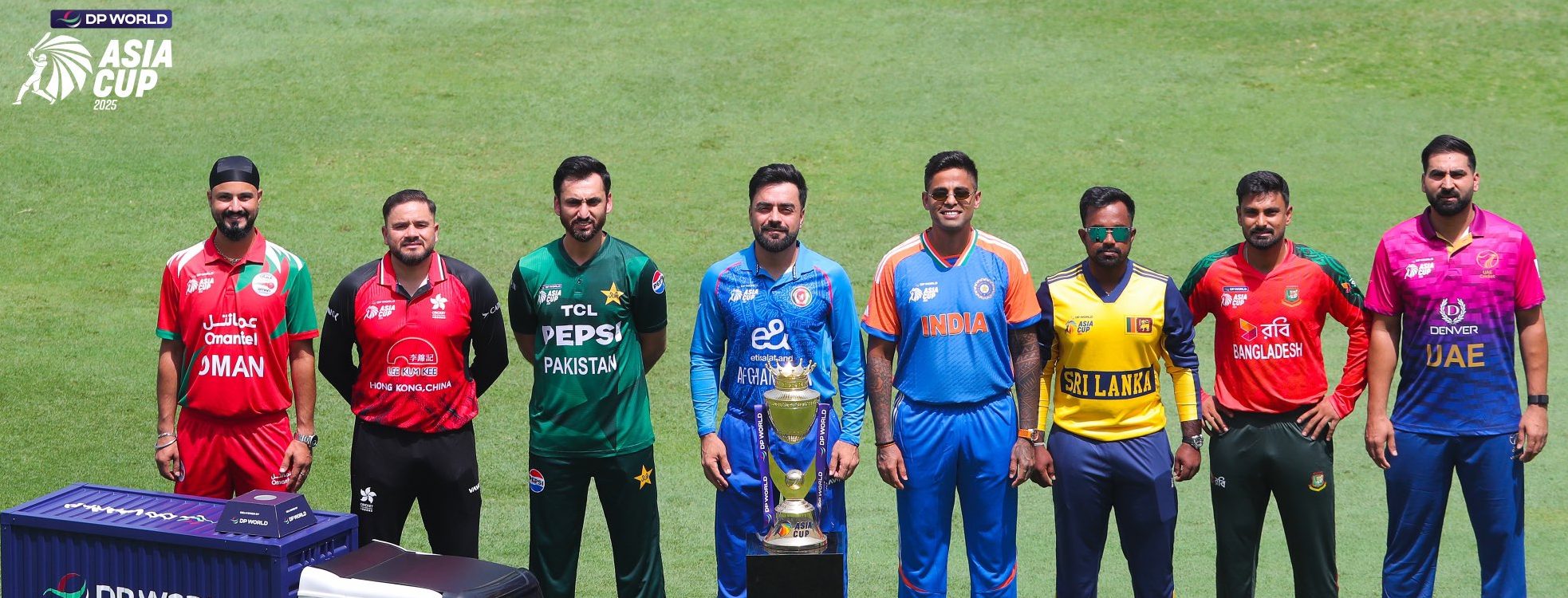
One of the core values of sport is its ability to bring people together, even — or especially — across political or social divides. When teams refuse to engage in customary gestures of respect like handshakes, it injects negativity, escalating tensions rather than defusing them. Every India-Pakistan match already carries a heavy load of history, expectation, and scrutiny. Adding further symbolic slights makes the encounter less about cricket and more about politics. Pakistan stepping back from playing India in future events might signal that sport should not be a platform for political posturing. It could be a move to preserve the dignity and integrity of cricket, showing that mutual respect matters more than any individual result or symbolic victory.
Read: 3 Three Things We Know Ahead of the Asia Cup 2025
A Slap to Arrogance: Only Pakistan Can Deliver It
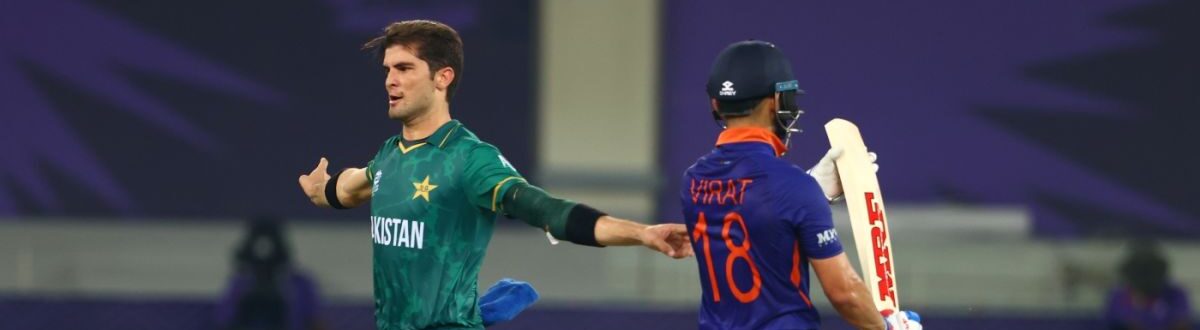
There is an argument that the Indian team’s posture in this episode — refusing the handshake, dedicating the win in a politically charged way — borders on arrogance. If one believes actions should have consequences beyond mere criticism, Pakistan refusing to play India further could serve as a powerful message. It would be a non-violent, symbolic retaliatory move, highlighting that respect isn’t optional and that symbolic gestures do matter. Sometimes the only way to call out arrogance is by refusing to accept its narrative. Pakistan choosing not to engage further could force the cricketing world to reckon with what sportsmanship truly means — not pretending that decorum is sidelined when politics is involved.


