

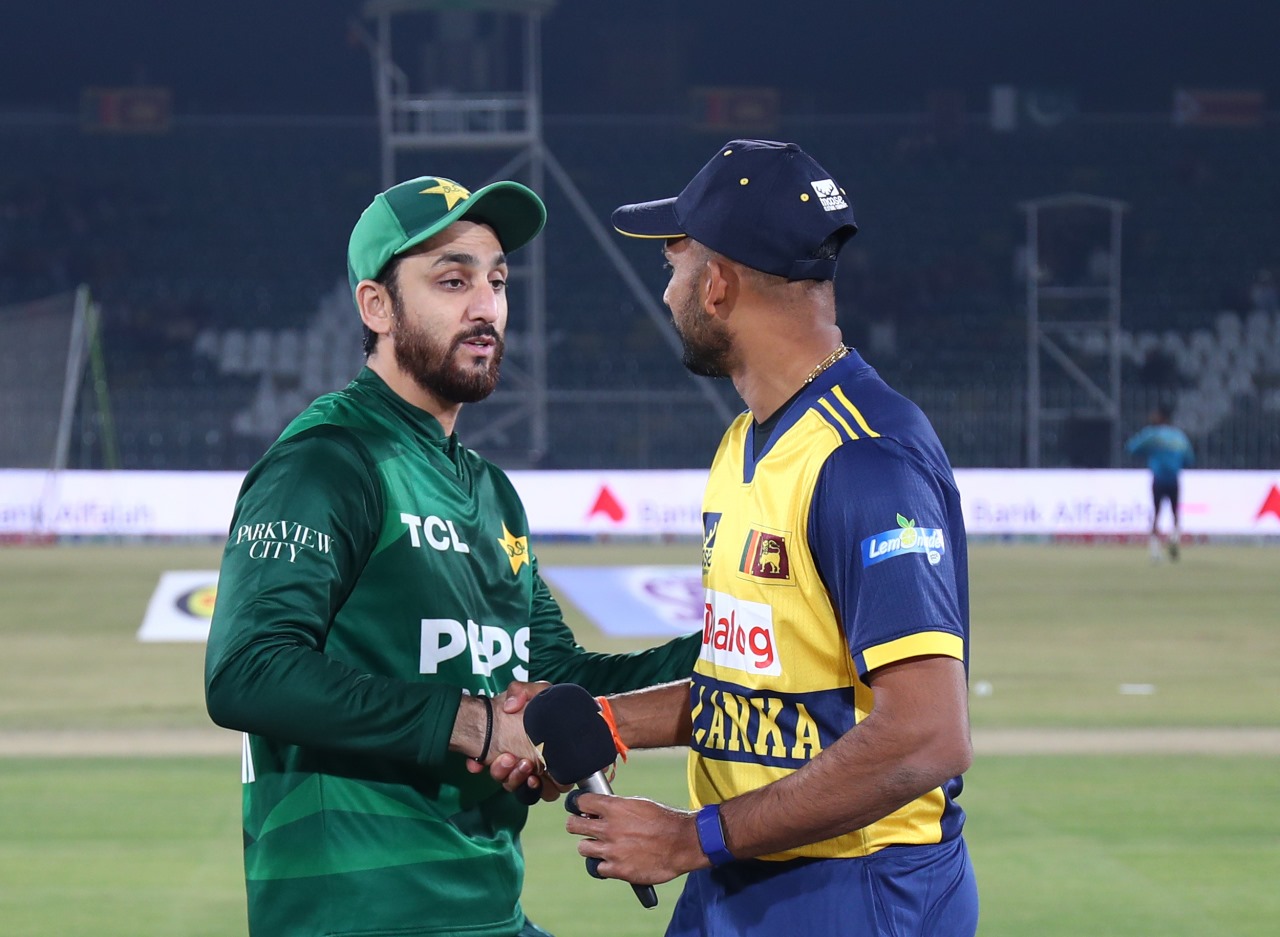
T20 captaincy of Salman Ali Agha already debated after the Asia Cup—appears more vulnerable than ever. Once viewed as a rising all-format prospect, Agha now finds himself in a precarious position within the shortest format of the game.
Read: What Pakistan Must Watch In The Rest Of The Tri-Series
Salman Ali Agha’s T20 Captaincy in Danger After Prolonged Form Slump
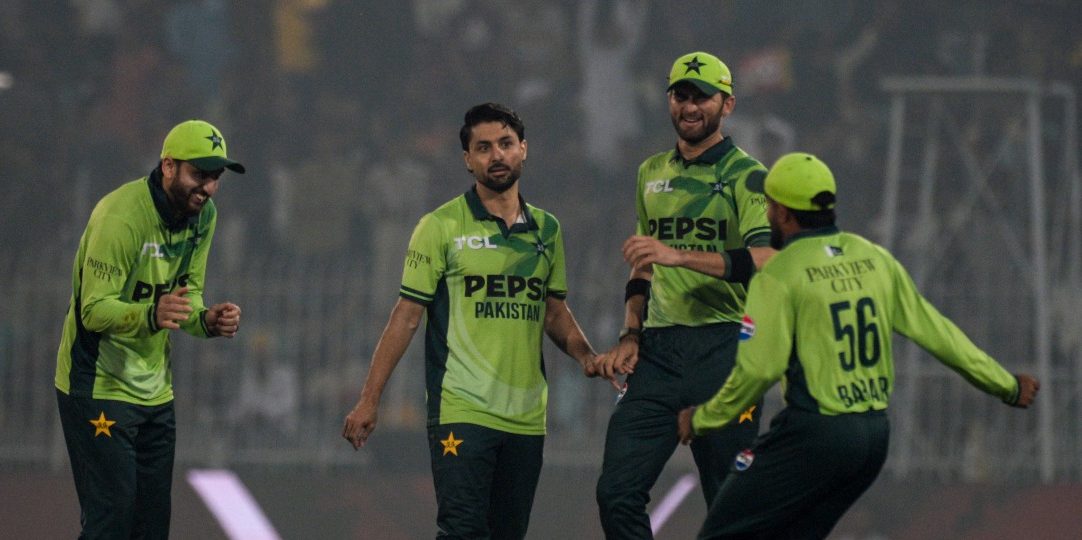
Agha’s T20 struggles are no longer a small dip—they have now stretched into a worrying pattern. Despite his excellent run in Test and ODI cricket, he has consistently failed to translate that success into T20 performances. His strike rate has been underwhelming, his intent questionable, and his inability to anchor or accelerate has left Pakistan’s middle order exposed far too often.
With this kind of form, it is becoming increasingly difficult to justify a place for him in the playing XI, let alone offer certainty about him continuing as captain. Leadership in T20 cricket demands clarity, aggression, and game awareness—traits Agha struggled to display, particularly during pressure situations in the Asia Cup, where several of his tactical decisions were widely questioned. Bowling changes in particular came under scrutiny, painting the picture of a captain still trying to find his footing at a time when Pakistan needs absolute clarity.
Read: Shaheen Afridi’s ODI Captaincy: What to Look Out For
Selectors Face a Tricky Call With Limited Time Before the T20 World Cup
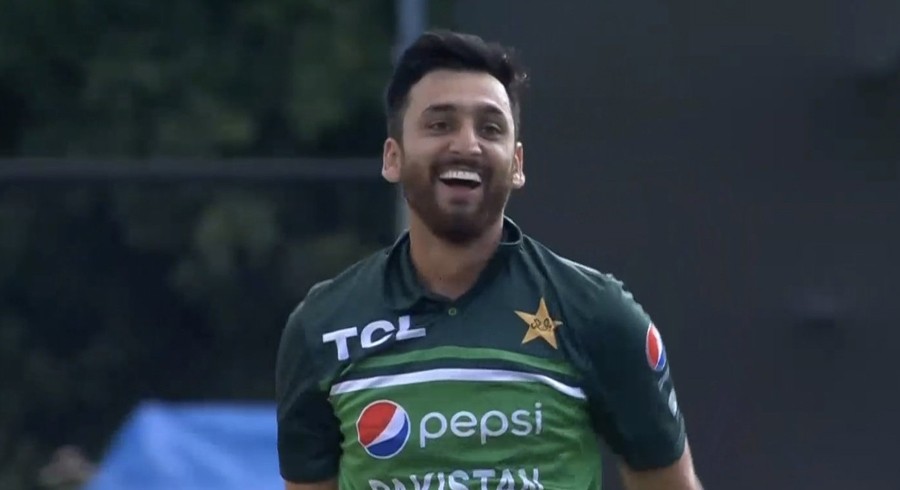
Complicating matters further is Pakistan’s calendar. With only a handful of T20 matches remaining before the World Cup, changing the captain now would be disruptive. Building combinations, defining roles, and establishing momentum all take time—something Pakistan does not have in abundance.


